
Furthermore
Gregg's findings had major implications for clinical medicine, basic research and public health. His work, and that of other studies confirming his initial observations, showed that rubella, previously regarded as a mild infectious disease, could cause cataracts and other significant birth defects if susceptible women became infected in the first few months of pregnancy. His discovery stimulated rapid development in the field of teratology and offered hope for primary prevention of some birth defects. It also stimulated research workers in the laboratory to isolate the rubella virus, although this was not achieved until 1962.ADB .
Book of Remembrance entry
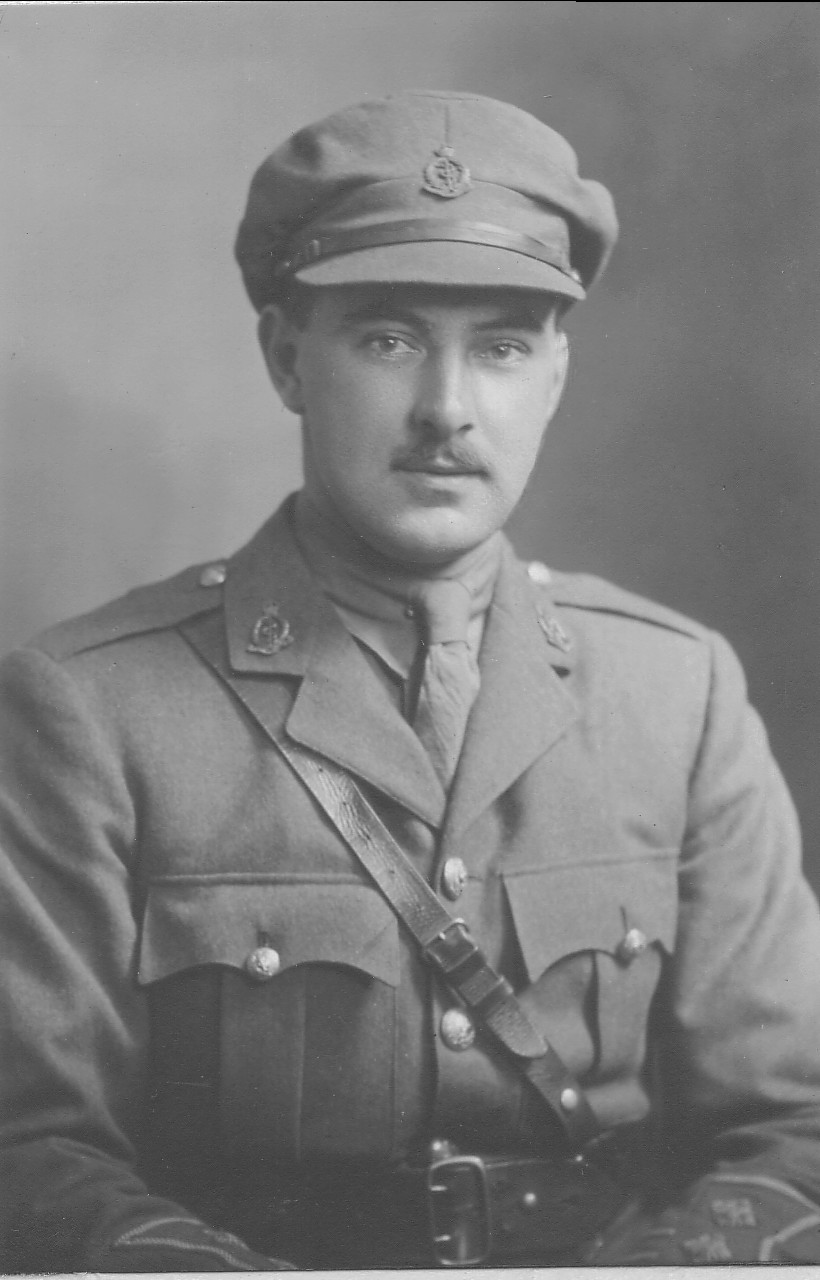
M.C., M.B., Ch.M., F.R.A.C.S., D.O.M.S. : Major, R.A.M.C., B.E.F., France and England. Enlisting in March, 1915, served as R.M.O. 7th East Yorkshire Battn. from May, 1915, until June, 1918, except for short periods in 1917 when attached to the Military Hospital, Bethnal Green, London, and after being gassed at Ypres salient in December. From June, 1918, was with 52nd Field Ambulance till March, 1919, when second in command and acting major, returning 1th March, 1920. Was Acting D.A.D.M.S. in June and July, 1918, and then special Liaison Officer between the R.M.O.s and Officers in Charge of Field Ambulances until the Armistice. Awarded M.C. in 1919 and Mentioned in Despatches. Renwick Scholar. President, Undergraduates' Association. Early education at Homebush (Dux) and Sydney Grammar Schools.
TIMELINE
-
1892Birth in Burwood -- NSW, Australia 7 March 1892
-
?Early education at Homebush Public School, Homebush, NSW, Australia
-
1905Early education at Sydney Grammar School, Darlinghurst, Sydney, Australia 1905
-
1915Tertiary education at University of Sydney, Camperdown, NSW, Australia 1915
-
1915Tertiary education at University of Sydney, Camperdown, NSW, Australia 1915
-
1915Enlisted 1 Mar 1915
-
?Military service as Major at France --, France ; Wingate, England --, United Kingdom
-
1919
-
1920Resident Medical Officer at Camperdown -Royal Prince Alfred Hospital- NSW, Australia 1920
-
1922Tertiary education at University of London, London, United Kingdom 1922
-
1923Opthalmic Surgeon at Sydney -Macquarie Street- NSW, Australia 1923
-
1923Opthalmic Surgeon at Camperdown -Royal Prince Alfred Hospital- NSW, Australia 1923
-
1925Opthalmic Surgeon at Camperdown -Royal Alexandra Children's Hospital- NSW, Australia 1925
-
1934
-
1940Lecturer in Diseases of the Eye at Camperdown -University of Sydney- NSW, Australia 1940
-
1950Opthalmic Surgeon at Camperdown -Royal Alexandra Children's Hospital- NSW, Australia 1950
-
1952Tertiary education at University of Sydney, Camperdown, NSW, Australia 1952
-
1952Tertiary education at University of Melbourne, Parkville, VIC, Australia 1952
-
1952Consultant at Camperdown -Royal Prince Alfred Hospital- NSW, Australia 1952
-
1952
-
1953
-
1953Appointed K.B.E. 1953
-
1955
-
1958Tertiary education at Australian National University, Canberra, ACT, Australia 1958
-
?
-
?House Surgeon at 162 City Road -Moorfields Eye Hospital- London, England
-
?House Surgeon at London --, England
-
?House Surgeon at Birmingham --, England
-
?
-
?
-
?
-
?
-
1966Death in Woollahra -- NSW, Australia 27 July 1966
| Gender |
|
From the archives
![0001.jpg [ scanned_images/GREGG_Norman McAlister/GREGG_Norman McAlister 1/ jpg 747887 ]](https://expert-nation.curated-collections.cloud.edu.au/files/medium/81bcd28e4932a28e2a21c86532f2b12842c2b157.jpg)
![0001.jpg [ scanned_images/GREGG_Norman McAlister/GREGG_Norman McAlister 2/ jpg 729204 ]](https://expert-nation.curated-collections.cloud.edu.au/files/medium/8228e2c5cb2b519e615f6bf9f30c54952207de29.jpg)
![0001.jpg [ scanned_images/GREGG_Norman McAlister/GREGG_Norman McAlister 3/ jpg 310368 ]](https://expert-nation.curated-collections.cloud.edu.au/files/medium/d72ef643e934cd0d8d000b2ab3d16675c98b9826.jpg)
![0002.jpg [ scanned_images/GREGG_Norman McAlister/GREGG_Norman McAlister 3/ jpg 204766 ]](https://expert-nation.curated-collections.cloud.edu.au/files/medium/3c871603b675fee2ea41e8f06a6a3838a4ea6120.jpg)
![0001.jpg [ scanned_images/GREGG_Norman McAlister/GREGG_Norman McAlister 4/ jpg 568800 ]](https://expert-nation.curated-collections.cloud.edu.au/files/medium/5c2e14faa74c3e403406f0c52b7ba7859c2be626.jpg)
![0002.jpg [ scanned_images/GREGG_Norman McAlister/GREGG_Norman McAlister 4/ jpg 388779 ]](https://expert-nation.curated-collections.cloud.edu.au/files/medium/311086fcf98351f0b45a3a94421029192e970001.jpg)
![Gregg, N M.jpg [ scanned_images jpg 147949 ]](https://expert-nation.curated-collections.cloud.edu.au/files/medium/7e7635e346bab9518231144884bef9c21605062e.jpg)
![Sydney University Tennis Team in Adelaide feat. Norman McAlister GREGG [ jpg ]](https://expert-nation.curated-collections.cloud.edu.au/files/medium/b69091e6cdd9d2e3846aebb99a8188112f847b70.jpg)
Unless otherwise noted, these photographs, War Service Records, letters, diaries and cards were sent to the University by family and friends during and after World War One. If you have any material to add, please see our contribute page.
×